Deadwood: A Quirky Display Font for Bold Creations
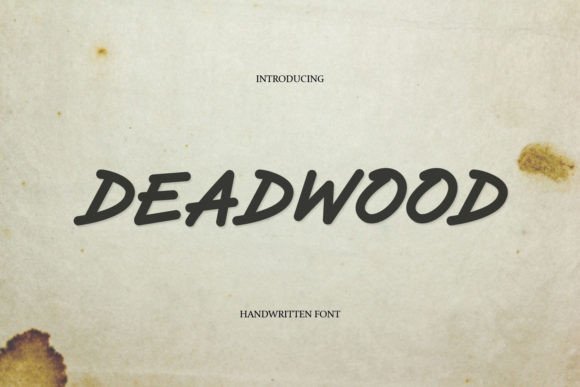
Finding the right typeface can transform a good design into a memorable one, and that's precisely the kind of impact a font like Deadwood brings to the table. This fun and quirky display font has a distinct personality that can instantly add character to any project. No matter the topic, this font will be an incredible asset to your fonts' library, as it has the potential to elevate any creation. It’s more than just a collection of letters; it’s a tool for setting a specific mood and telling a visual story.
Deadwood is a premium font designed to be a standout creative asset. As a display typeface, its primary strength is capturing attention in headlines, logos, and short, impactful text blocks. Its unique style walks a line between classic influence and modern flair, making it versatile for a range of aesthetic goals. Whether you're working on a brand identity that needs to feel authentic and handcrafted or a poster design that demands a bold visual voice, this creative font provides the foundation.
Where Your Deadwood Font Truly Shines
Understanding the best use cases for a typeface like Deadwood helps you leverage its full potential. Its distinctive letterforms are ideal for projects where personality is paramount. Consider using it for:
- Logo Design and Branding: A logo set in Deadwood can give a brand an immediate sense of character and distinction. It's excellent for businesses in the artisan, food, beverage, or lifestyle sectors looking for a memorable mark.
- Packaging Design: On a shelf crowded with competitors, packaging needs to tell a quick story. Deadwood can headline product names on labels, boxes, and bags, making them feel more curated and premium.
- Poster and Editorial Design: For magazine covers, event posters, or book covers, this font acts as a powerful headline tool that draws the reader in with its visual appeal.
- Social Media Graphics: In the fast-scrolling world of social media, a striking font helps stop the thumb. Use Deadwood for quotes, announcements, or profile banners to create a cohesive and eye-catching feed.
- Web Design: While best used for headings and hero text on websites, Deadwood can set a strong tone for a site's overall aesthetic, especially for brands with a creative or boutique focus.
- Merchandise and Invitations: From t-shirt graphics to wedding invitations, its personality adds a special touch that feels thoughtful and designed.
Tips for Choosing and Pairing Your Font
Once you’ve identified a project for Deadwood, a few practical steps will ensure it integrates seamlessly into your design. First, always check readability in context. A display font is meant for impact, so test it at the sizes you plan to use to ensure clarity. Next, match the mood. The font's quirky nature should align with your project's tone—whether it's playful, rustic, or sophisticated.
Effective font pairing is key to a polished result. Deadwood, with its strong personality, often works best when balanced with a simpler companion. Consider pairing it with a clean sans serif font for body text or a straightforward serif for subheadings. This contrast allows the display font to shine without overwhelming the viewer. Review all the available styles and weights within the font family, as these variations can add depth and hierarchy to your layouts.
Finally, always verify the license of any commercial font you download. Ensuring the font’s usage rights match your project—whether for personal, client, or merchandise use—is a fundamental step in professional design. The right typeface does more than just display words; it builds visual consistency, strengthens brand recognition, and elevates the overall professional presentation of your work. Choosing a well-crafted font like Deadwood is an investment in the quality and distinctiveness of your creative output.